Introduction:
In today’s digital landscape, having a well-optimized website is crucial for online success. WordPress, with its user-friendly interface and extensive customization options, is a popular choice for website owners. To maximize your site’s search engine optimization (SEO) potential, it’s essential to configure certain WordPress settings. In this guide, we’ll explore the critical WordPress site settings you need to know to boost your SEO efforts.
Permalink Structure:
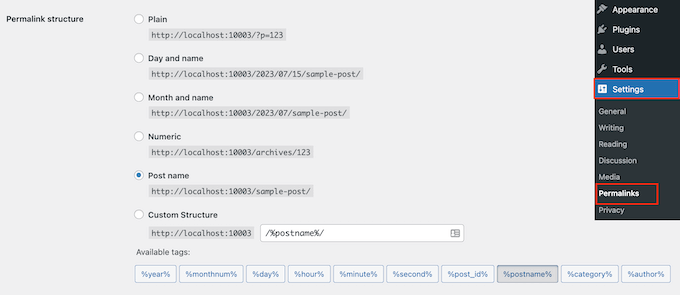
Your website’s permalink structure plays a significant role in SEO. WordPress offers various permalink options, including plain, numeric, post name, and custom structures. For optimal SEO, choose a permalink structure that includes your post titles and keywords. This makes your URLs more search engine-friendly and user-readable.
Title and Tagline:
The title and tagline of your website are the first things visitors see. They should be concise, descriptive, and relevant to your content. Search engines use this information to understand your site’s purpose and relevance to user queries.
XML Sitemaps:
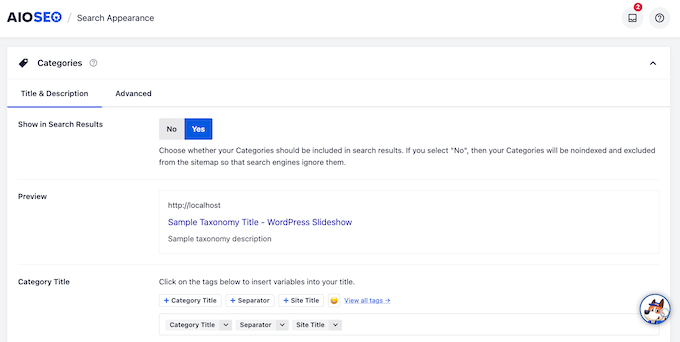
WordPress has built-in support for XML sitemaps, which help search engines crawl and index your site efficiently. You can use plugins like Yoast SEO or All in One SEO Pack to generate and customize your sitemap. Submitting it to search engines like Google and Bing is vital for SEO success.
Permalinks for Posts and Pages:
When creating new posts and pages, customize their permalinks to include relevant keywords. WordPress allows you to edit permalinks before publishing. Make them concise, meaningful, and avoid unnecessary words.
Categories and Tags:
Organize your content with well-defined categories and tags. This not only helps users navigate your site but also assists search engines in understanding your content’s structure and relevance.
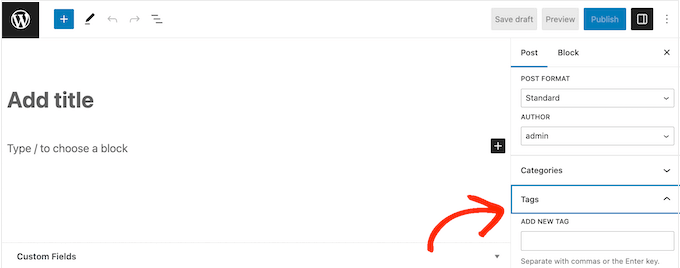
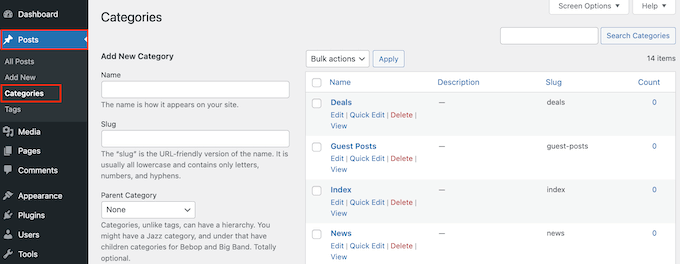
Image Optimization:
Optimize your images by compressing them and adding descriptive alt text. This enhances site performance and accessibility, contributing to better SEO.
Content Quality:
High-quality, valuable content is the backbone of SEO success. Ensure your content is well-researched, informative, and engaging. Regularly update and improve your posts to maintain their relevance.
Mobile-Friendliness:
A mobile-responsive design is crucial for SEO, as search engines prioritize mobile-friendly websites. Choose a responsive WordPress theme and test your site’s mobile compatibility.
Page Loading Speed:
Site speed is a ranking factor for search engines. Use plugins like WP Super Cache or W3 Total Cache to optimize your site’s performance. Compress images, minimize scripts, and leverage browser caching.
SEO Plugins:
WordPress offers several SEO plugins that simplify optimization tasks. Popular options include Yoast SEO, Rank Math, and All in One SEO Pack. These plugins provide valuable features like meta tags, sitemaps, and content analysis.
SSL Certificate:
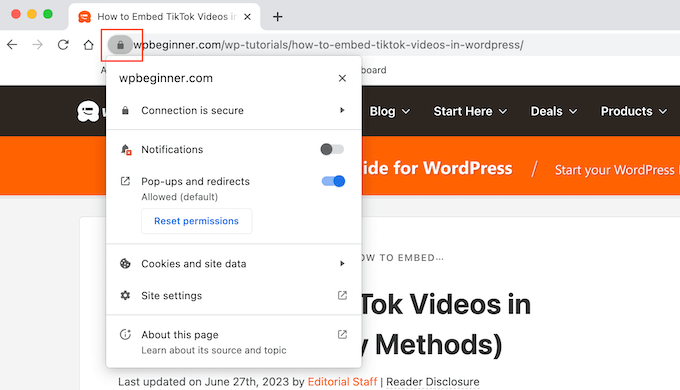
Ensure your site has an SSL certificate, denoted by “https://” in the URL. This not only secures user data but also contributes to SEO ranking, as search engines prioritize secure websites.
Social Sharing:
Integrate social sharing buttons into your content to encourage sharing on social media platforms. Social signals can indirectly impact SEO.
Conclusion:
WordPress offers a robust platform for building SEO-friendly websites, but configuring the right settings is essential. By optimizing your site’s permalinks, titles, content, and technical aspects, you can improve your SEO performance and increase your chances of ranking higher in search engine results. Keep these critical WordPress site settings in mind as you work towards SEO success.